AmberSide Archive Screening: The Scar (1997) + Last Shift (1976)
Friday 16th October 2026, The Liberal Club at 4pm and 7.30pm
Q&A after the screenings
Tickets £5, bookings on Eventbrite
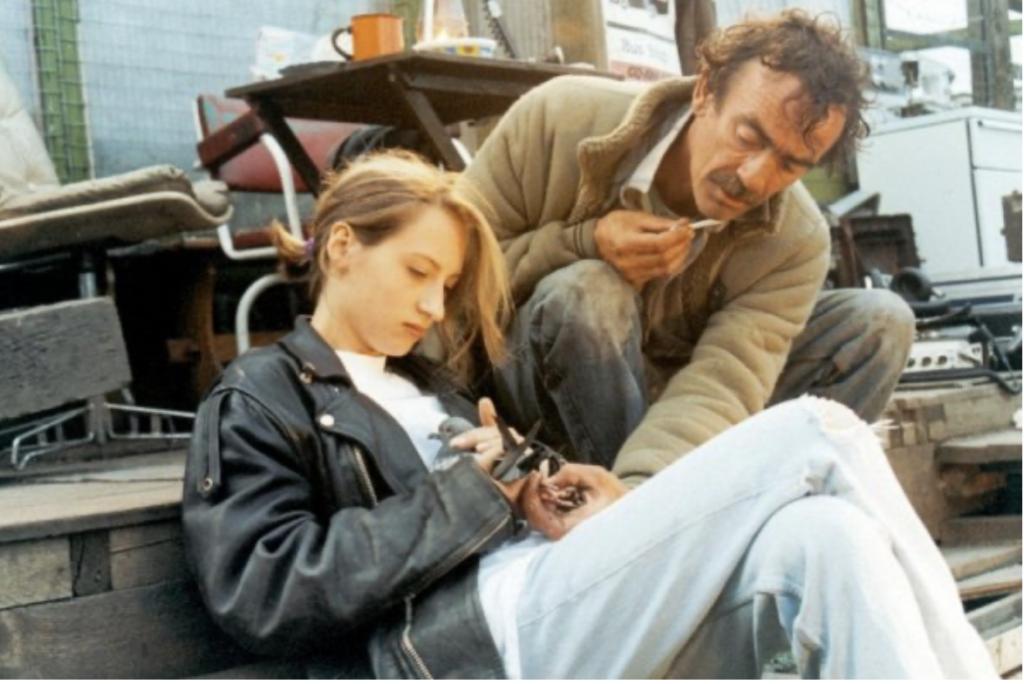
The Scar
1997, UK, 1hr 54 min, Amber Production Team, Drama/Doc, Language: English
The Scar is a 1997 film by Amber Films, The narrative explores the lives of women in East Durham following the closure of the last collieries, focusing on their resilience amidst economic and social upheaval. Set against the backdrop of a community in transition, the film examines themes of loss, survival, and adaptation, as families struggle to find new identities in the wake of industrial decline.
At the heart of the story is May Murton (Charlie Hardwick), a woman left to navigate the collapse of her marriage, a fractured community, and teenage children (Darren Bell and Katja Roberts) increasingly out of control. Her estranged husband (Brian Hogg) has retreated to the allotments, while May finds herself drawn into a tentative new relationship with the manager of an open-cast coal mine (Bill Speed), whom she meets on the eve of the Miners’ Gala. The film takes a deeply personal approach to the broader socio-economic shifts in the coalfield, drawing on the participation of women who had been involved in the Support Groups during the 1984-85 Miners’ Strike, reflecting Amber’s long-standing commitment to working within the communities they document.
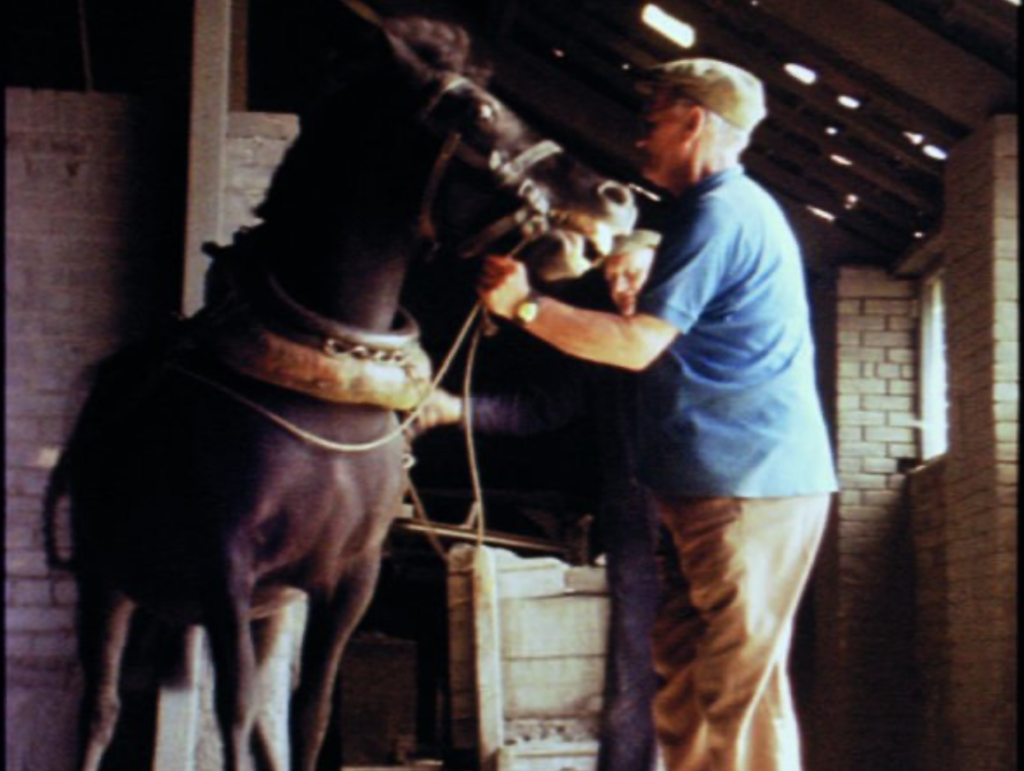
Last Shift
1976, UK, 17 min, Amber Films, Language: English
Last shift is a short documentary by Amber Films that records the final days of a small brickworks in Swalwell, on the south bank of the Tyne. When the Adamsez bathroom ware factory closed in 1975, this small brickworks also shut down. For years, a handful of men had produced high-quality refractory bricks using traditional methods, with little change from the past. Recognising the importance of recording this disappearing craft, Amber set out to document the process before it was lost.
Screenings with kind permission from AmberSide, Newcastle.
AmberSide Archive Screening: Seacoal (1985) + High Row (1973)
Friday 23rd October 2026, The Liberal Club at 4pm and 7.30pm
Q&A after the screenings
Tickets £5, bookings on Eventbrite
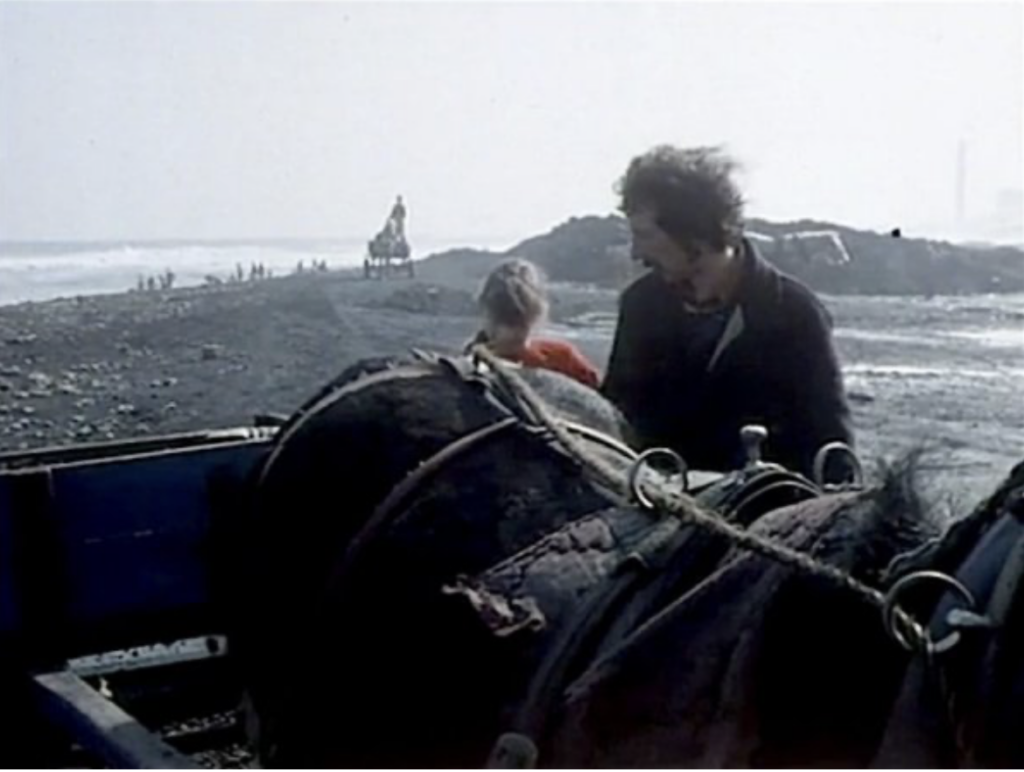
Seacoal
1985, UK, 83 MINS, Amber Films, Drama/Doc, Language: English
Seacoal is Amber Films’ first feature-length drama, blending fiction with documentary realism to portray the seacoaling community on Lynemouth Beach, Northumberland. The film captures the precarious existence of the seacoalers, some of whom lived on state benefits while working under harsh conditions to extract coal washed ashore from nearby collieries.
Gaining access to the community was challenging, as the seacoalers were suspicious of cameras. However, Side Gallery had recently commissioned Ashington photographer Mik Critchlow, whose cousin Trevor Critchlow was a leading figure among the seacoalers. This connection helped establish trust, allowing Amber to embed themselves on-site for over two years. The collective purchased a caravan, initially used by Chris Killip for his photographic documentation before being taken over by the filmmakers. This immersive approach enabled the team to incorporate everyday life into the film, combining documentary footage, improvisation, and dramatised scenes. Special agreements with the actors’ union Equity allowed Amber to work directly with seacoalers, preserving the film’s naturalistic approach.
Seacoal won the European Film Award in 1986 and marked the beginning of Amber’s long-term engagement with working-class communities. It also launched Amber’s lasting connection with the harness racing community, which led to later films such as Eden Valley (1995) and The Pursuit of Happiness (2008). Alongside the film, Mik Critchlow continued documenting the seacoalers, creating a broader photographic record of life in Lynemouth. Seacoal remains a key work in Amber’s social realist filmmaking, capturing a disappearing way of life with sensitivity and authenticity.
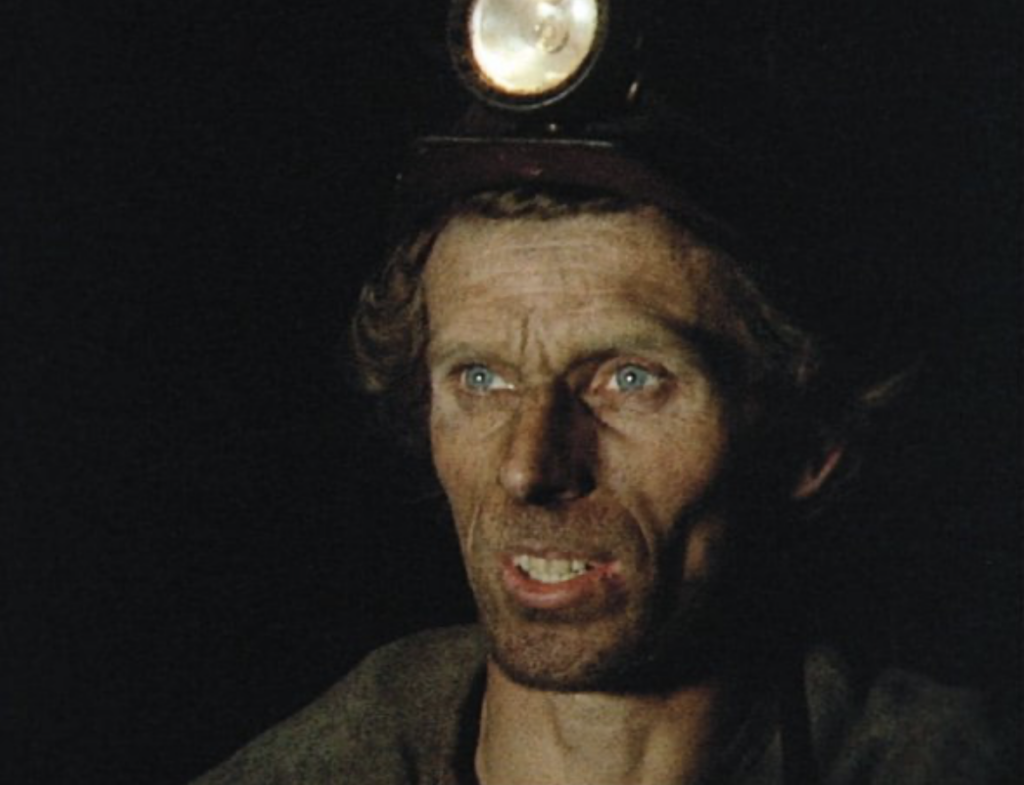
High Row
1973, UK, 33 mins, Amber Films, Language: English
High Row presents a working day in the life of seven miners at the small Alston drift mine.
Amber initially drafted a script, but the miners rejected it, stating that it did not reflect their reality. In response, the filmmakers collaborated with them to develop a new script that more accurately portrayed their experiences. To manage the logistical challenges of filming in the confined spaces of the mine, Amber proposed renting it for a week, allowing them to control the environment while compensating the miners for their participation. The result was a reconstruction of a typical working day, performed by the miners themselves.
High Row marked a significant moment for Amber Films, as it was the first of their films in which members of the production team actively engaged in the work process being depicted.
Without narration and with minimal dialogue, the film takes on a poetic quality, capturing not only the physical labour of mining but also the deep connection between the miners and the landscape.
High Row highlights the organic nature of their work, in contrast to the alienation of more mechanised industries.
Though some have criticised the film as romanticising mining, the original script was, according to Murray Martin, far harsher. However, when shown to the workers, they insisted it was unrealistic, leading Amber to adjust its vision in line with their experiences. This commitment to allowing people to represent themselves on their own terms has always been central to Amber’s filmmaking ethos.
Screenings with kind permission from AmberSide, Newcastle.
Please note the Refractive Community Cinema is a small projection space, there are 30 seats available. Booking in advance is advised.
Access Information:
Entrance to the Exhibition space, is via stairs at 32 High Street. Disabled Access is on one level and available from the back entrance to the Liberal Club at 27 School Wynd, Paisley. Note: this is a cobbled street and parking is not available at the entrance at 27 School Wynd. Parking is available by the church at 13 School Wynd and is free after 6pm.